Llamalink - Ollama to LM Studio LLM Model Linker

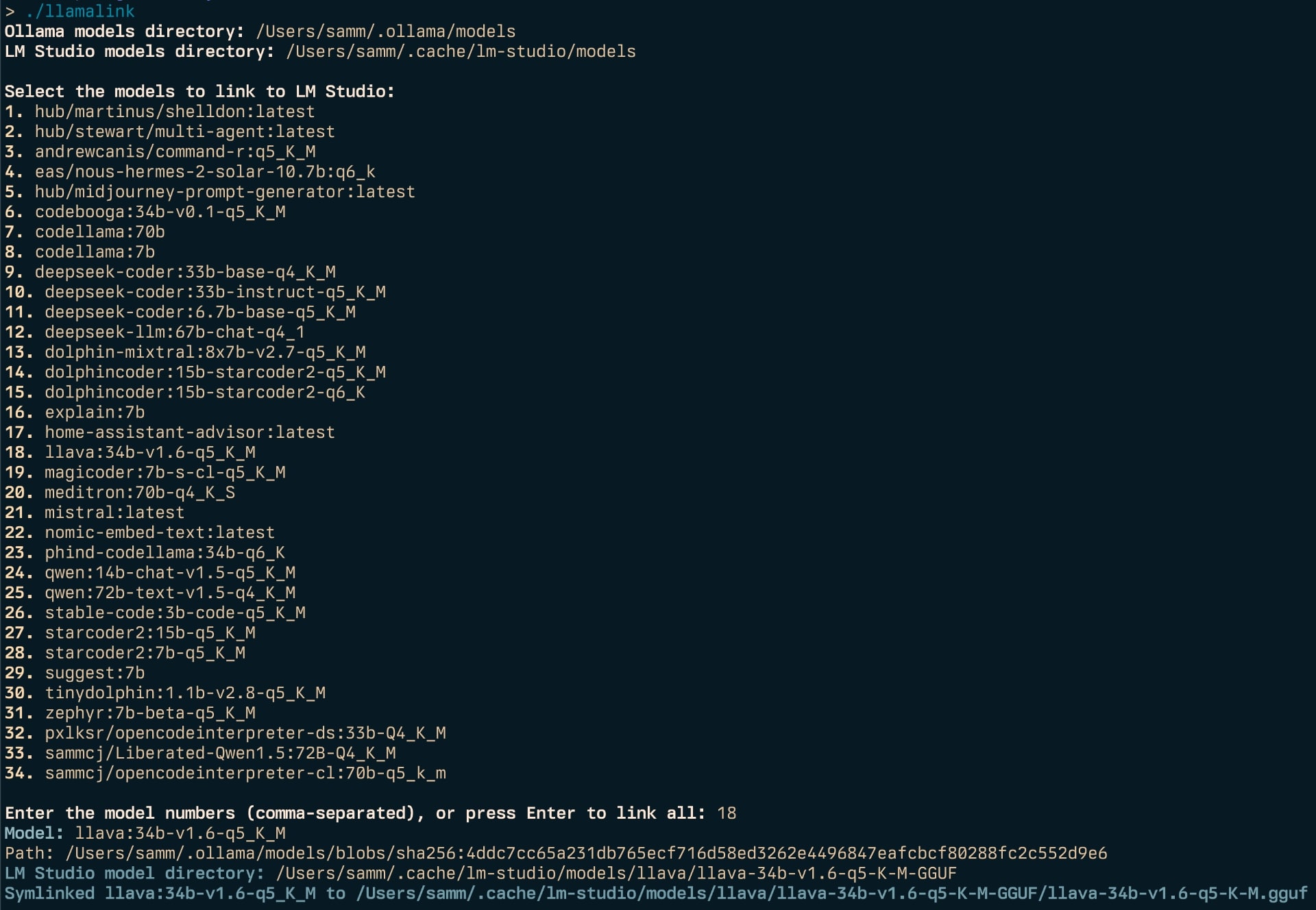
Two of my most commonly used LLM tools are Ollama and LM Studio. Unfortunately they store their models in different locations and filenames. Manually copying or linking files was a pain, so I wrote a simple command-line tool to automate the process. This is why I created Llamalink. Ollama is a cross-platform model server that allows you to run LLMs and manage their models in a similar way to Docker containers and images, while LM Studio is a macOS app that provides a user-friendly interface for running LLMs. ...

March 21, 2024 · 3 min · 427 words · Sam McLeod

Open source, locally hosted AI powered Siri replacement

Offline AI / LLM Assistant More info on this soon but the basic idea was to use Willow, Home Assistant and local LLM models to create a locally hosted, offline, AI powered Siri replacement and interface it with ESP32 S3 Box 3 devices. ...

November 20, 2023 · 1 min · 192 words · Sam McLeod

MBA Washing

“MBA Washing” refers to the phenomenon where individuals, often with a strong theoretical or academic background but limited recent practical experience, adopt and reinterpret industry-specific terminology and cultural movements. – This reinterpretation is typically influenced by their academic learning, recent literature, and biases towards larger enterprise perspectives. As a result, the original intent and practical effectiveness of these concepts, such as DevOps or Platform Engineering for example, may be diluted or misrepresented. ...

November 13, 2023 · 3 min · 560 words · Sam McLeod

SDXL LoRA Training

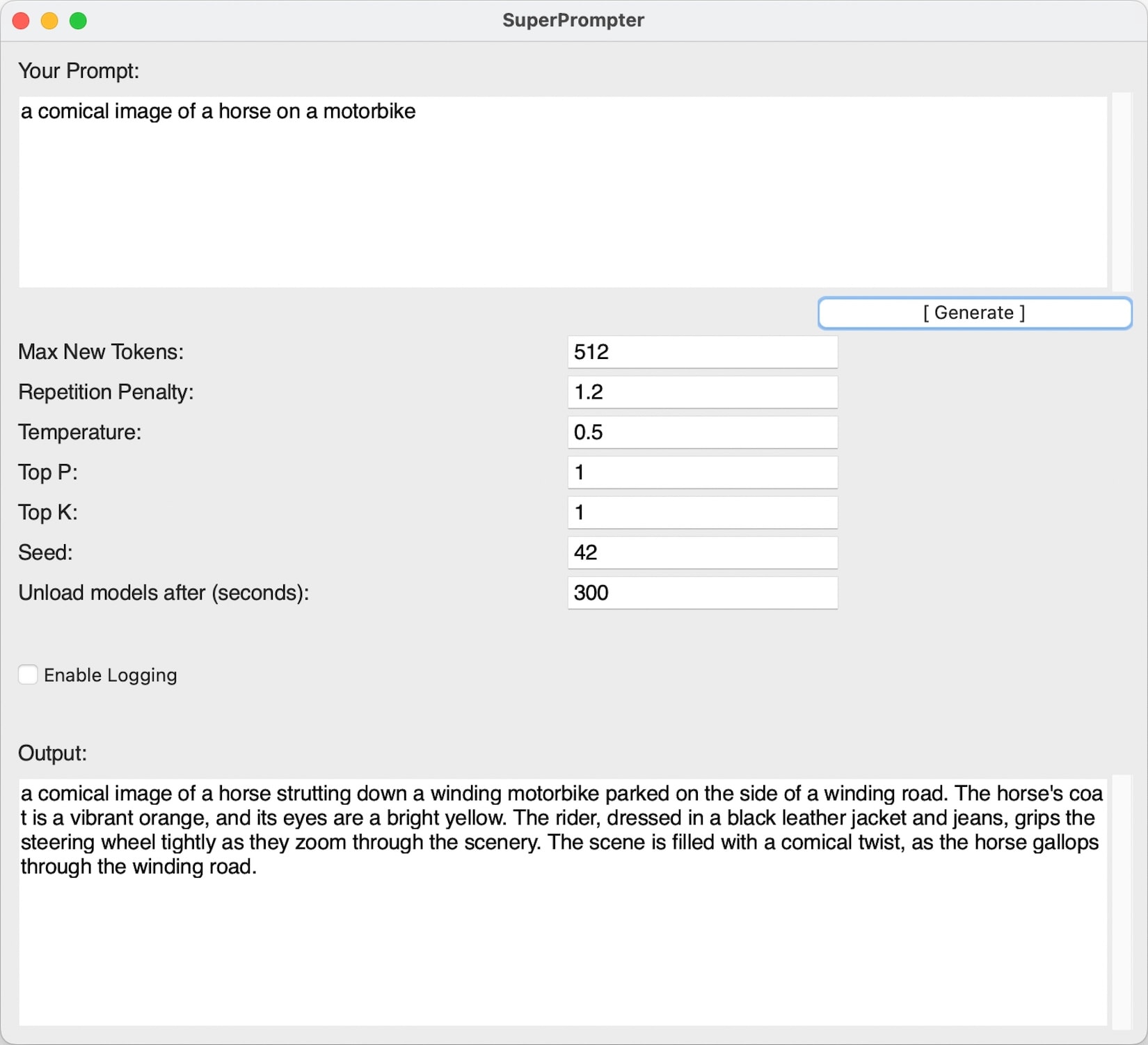
A talk I gave to some peers on creating your own SDXL LoRA models from my tinkering around over the last few weeks. ...

October 30, 2023 · 1 min · 37 words · Sam McLeod

Introduction to AI and Large Language Models (LLMs)

This is a high level intro to LLMs that I’m writing for a few friends that are new to the concept. It is far from complete, definitely contains some errors and is a work in progress. This is a work in progress and a living document. Language models, or LLMs, are a type of artificial intelligence that can generate text based on a given prompt. They work by learning patterns in large amounts of text data and using those patterns to generate new text. LLMs can be used for a variety of tasks, such as generating chatbots, answering questions, and creating art. ...

January 26, 2023 · 13 min · 2741 words · Sam McLeod

Making Work Visible - Avoid DMs

We create more value by having conversations in public instead of behind closed doors. ...

October 20, 2022 · 6 min · 1071 words · Sam McLeod

Camels Dressed As Unicorns

Stop trying to hire with titles like ‘DevOps Engineer’ or ‘Cloud Engineer’ “DevOps is … not a job title” “It’s more of a cultural practice, like innovation, and it makes just as little sense hiring “innovation engineers” and expecting your organisation to be innovative, without also creating the culture to foster innovation.” (Joel Shea when responding to this posted on LinkedIn) In most cases it’s clear the organisation doesn’t truly know what they want or need and likely don’t understand the nuances of the aspects of engineering. ...

August 8, 2019 · 2 min · 328 words · Sam McLeod

Looking For New Opportunities

As stated in my announcement post - after 7~ years, I resigned from Infoxchange several months ago. I planned on taking a holiday, relaxing, decompressing, dipping my toes in some off-the-shelf tech I haven’t spent a lot of time with and performing some personal growth through reading a number of books that have been sitting on my ’to read’ shelf. This is exactly what I’ve done. I’m now open to new opportunities I’d rather find a workplace that I can add great value too and be happy to work with than rush into a new role quickly, obviously if something great turns up right away - I’ll pursue it. ...

August 6, 2019 · 4 min · 763 words · Sam McLeod

Leaving Infoxchange

After 7~ years, I have resigned from Infoxchange. In 2012 I was hired to work with Infoxchange to “shake things up” (in the Systems Operations team) and stabilise the hosting environment. As Team Lead of Systems Operations I was tasked with melding the team and then for us to work to provide a stable, robust, modern and scalable platform for Infoxchange developed application hosting and product delivery and in a short time, with a small budget - we did just that. ...

June 29, 2019 · 3 min · 470 words · Sam McLeod

Goodbye XenSever - Hello XCP-ng

In 2018 I set out to replace our XenSever 7.2 based virtualisation after Citrix essentially screwed over free / open source users. This project was to directly replace XenServer 7.2 with something supported and manageable for our traditional virtualisation needs. High Level Selection Considerations I evaluated a number of options, with the primary candidates below. Key criteria (at a high level) I was evaluating: Ease of moving from our existing XenServer 7.2 based hypervisor clusters. Security (architecture, hardening, monitoring, logging). Cost (both licensing if any and self-support / management costs). VM Performance (Storage IOPs and throughput, Network latency and throughput, Processing latency, steal from over-provisioned workloads). Management UI/UX and performance (for BAU activities). Management / Cluster SPOFs, fail-over and redundancy. Installation and upgrade process. Update and security patching frequency. Networking design and complexity. Community (size, engagement, acceptance of suggestions / MRs). Reliable live VM migrations. Ease of management for a small team (Part of a low TCO). Risk of vendor and technology lock-in. Risk of survival (will it still be well maintained over the next 1-3 years). Stability and reliability above practically all else. XenServer 7.6 (w/ Paid License) For Potentially priority support from Citrix for issues. Easy upgrade from 7.2. Fresh installs and upgrades are simple, painless and easy to pxeboot, licensing can be a pain after install however. Against Slow moving development. Incredibly expensive, it would cost us something like $140,800 AUD per year (shelf price) for our 32 hosts (each with 2 sockets). Features heavily restricted by licensing model. Mostly older-fashioned enterprise users. No web management interface (although you can use Xen Orchestra from the folks behind XCP-ng). Diminishing community since XenServer licensing changes in 7.3. Poor storage performance compared to KVM based solutions. Many outdated packages, while kind of based on CentOS 7, there are a great deal of packages from older releases or completely custom rebuilt. Uses old technologies like EXT3 and doesn’t support SSD/Flash TRIM/DISCARD functions. SELinux not enforcing or supported. OpenvSwitch still uses a lot of Dom0 CPU (same as XenServer). Dom0 often ends up limiting VM storage operations (tapdisk maxing out Dom0 CPU). Applying updates can be painful or at least slow, requiring binary ISO files to be downloaded from Citrix. Uses Jira for bug tracking (I just can’t stand the thing, it’s painfully laggy, give my GitLab or Github over it any day). XCP-ng XCP-ng is a relatively recent fork from XenServer after it was open sourced, tracking upstream but clearly prioritising modernisation and community. ...

February 5, 2019 · 8 min · 1550 words · Sam McLeod